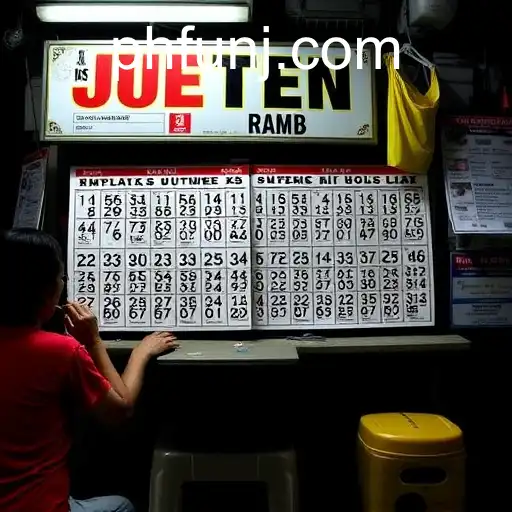
The Enduring Phenomenon of Jueteng and Its Impact on Philippine Society
Jueteng, an illegal numbers game deeply rooted in Filipino culture, has transformed into a pervasive aspect of the country's socio-economic fabric. Despite ongoing efforts to curb its influence and eliminate its practice, Jueteng persists, highlighting the complex interplay of tradition, economy, and politics. In understanding the widespread appeal and enduring presence of Jueteng, it is essential to navigate through its historical backdrop, cultural significance, and the attempts at regulation.
Understanding Jueteng: A Historical Perspective
Jueteng's origins stretch back to the Spanish colonial period when the need for entertainment and the intrigue of gambling merged to birth this popular numbers game. Over the centuries, Jueteng has adapted to various societal changes and technological advancements, yet its core mechanism remains simple. Players choose a combination of numbers, typically ranging from 1 to 37, and place bets with local ‘kubradors’ or bet collectors.
The Evolution of JuetengInitially, Jueteng thrived in local communities, functioning not only as a form of entertainment or 'ph fun' but also as a means of social interaction. Over time, with the complexities of Manila's urban landscape and the socio-political dynamics, the game gained a reputation beyond mere gambling. It became a symbol of resistance and defiance against conformist policies and oppressive regimes, providing a unique lens through which to view societal attitudes towards governance.
Jueteng and the Economics of 'Ph Fun'
Jueteng’s role within the philippine economy cannot be underestimated. It remains an essential livelihood for many marginalized Filipinos and functions parallel to formal economic structures. While deemed illegal, the lucrative nature of Jueteng ensures its steadfast presence in domestic economic transactions. Despite the government's attempts at prohibiting the game, its persistence highlights the wide prevalence and extent of unofficial earnings circulating through grassroots communities.
Earnings and ImpactFor many, both operators and participants, Jueteng is not simply a game; it is a lifeline. The potential to win against the relatively small investment aligns perfectly with the aspirations of the economically disenfranchised. Furthermore, those involved in the collection and coordination of bets often rely on the steady income provided by Jueteng as a primary source of financial support. As such, Jueteng has woven itself into the fabric of local economies, often becoming indispensable to the financial stability of low-income households.
Political Dimensions and Challenges of Jueteng Regulation
The intersection of Jueteng and politics represents one of the most contentious aspects of the game’s impact on Philippine society. Throughout history, allegations have surfaced regarding politicians’ involvement in Jueteng rings, with accusations extending to the highest levels of government. This shadowy relationship is often perceived as benefiting both parties; the Jueteng network enjoys protection and relative operational freedom, while corrupt officials gain financial support for campaigns or personal enrichment.
Regulatory Efforts and PersistenceEfforts to eliminate Jueteng have ranged from local crackdowns to national campaigns entitled to eradicate illegal gambling. Nevertheless, such initiatives often falter in the face of systemic corruption, lack of regulatory oversight, and the intricate ties between Jueteng operations and political machinery. As imagined regulations succumb to the allure of quick finance and political maneuvering, the realization emerges that Jueteng has become more than just a numbers game; it embodies a complex challenge with cultural, economic, and political dimensions.
Jueteng's Cultural Resonance: More Than Just a Game
Beyond its economic and political impacts, Jueteng holds a distinct cultural significance. Embedded within daily life, discussions of Jueteng are as common as those of national news or local events. What sets Jueteng apart from other gambling forms is this deep-seated cultural connection and its reflection on Filipino societal values, particularly in relation to luck, fortune, and the recurrent hope for prosperity.
Symbolism in JuetengThe very act of jueteng betting carries significant underlying symbolic narratives—aspirations for financial upliftment, the allure of sudden wealth, and its representation as the quintessence of ph fun. This ethereal quality of Jueteng, perceived as a whimsical escape from the mundane day-to-day challenges, ultimately bestows upon it a unique form of cultural immunity against governmental authority and regulation.
The Future of Jueteng in Philippine Society
Given Jueteng's entrenched nature within Filipino communities, its future is far from straightforward. The game’s evolutionary toughness and adeptness at insinuating itself within the broader cultural and economic frameworks suggest its capacity to endure further challenges while adapting to new contexts. However, whether its persistence represents an impediment to national progress or a facet of cultural heritage is a matter of public discourse.
Navigating ReformThe ideal approach to Jueteng involves reconciling its broad cultural acceptance with the necessity for regulated reform. Instead of abolishing it entirely, crafting a framework that includes oversight and reintegration into official economic channels represents a plausible compromise. Such attempts could potentially formalize its role within the broader socio-economic structure, reducing corruption while preserving cultural elements of ph fun.